


Hair steamer benefits: what to expect and how to use
A hair steamer uses moist heat to gently lift the cuticle so conditioners and masks can penetrate the shaft more deeply, improving moisture retention, elasticity, and scalp condition. Sessions typically run 10–30 minutes, and the results are noticeable even after a single treatment.
Top benefits at a glance:
- Deeper hydration and moisture retention — steam raises humidity around each strand, driving water into the cortex
- Enhanced product absorption — conditioners and masks penetrate more effectively when the cuticle is slightly open
- Improved elasticity and reduced breakage — better-hydrated strands flex rather than snap
- Improved scalp hygiene — gentle heat softens buildup and supports circulation
People with curly, coily, or low-porosity hair tend to see the sharpest gains, though dry and chemically treated hair responds well too.
Key takeaways
Hair steaming works because moist heat opens the cuticle, letting conditioners penetrate the shaft rather than sitting on the surface, which improves moisture, elasticity, and scalp condition with consistent use.
| Point | Details |
|---|---|
| Core mechanism | Steam lifts the cuticle so conditioners and masks reach the cortex, not just the surface. |
| Best candidates | Curly, coily, low-porosity, dry, and chemically treated hair see the sharpest improvements. |
| Session length and frequency | Run sessions 10–30 minutes; coarse/coily hair can steam weekly, fine hair every 2–4 weeks. |
| Main risks | Over-steaming causes limp, mushy strands and colour fade; alternate moisture and protein treatments. |
| Salonbrandz | Stocks professional steamers and conditioning treatments with shipping across Canada and pickup in Scarborough. |
Table of Contents
- What a hair steamer does and why it works
- 7 hair steamer benefits worth knowing
- Which hair types benefit most from steaming
- How to steam your hair at home, step by step
- How often to steam and what risks to watch for
- What results to expect and when
- The part most people get wrong about steaming
- Professional steamers and conditioning products, shipped across Canada
- Sources
- FAQ
What a hair steamer does and why it works
Hair steaming is the practice of directing warm, humid vapour at the hair and scalp, either through a professional hood steamer, a steam cap or bonnet, a handheld portable unit, or a DIY heated-towel method. The device type changes the convenience and coverage, but the underlying mechanism is the same.
Moist heat raises the humidity immediately around each strand. That increase in ambient moisture causes the cuticle — the overlapping scale-like outer layer of the hair shaft — to lift slightly. With the cuticle raised, water molecules and the active ingredients in your deep conditioner or treatment mask can travel further into the cortex rather than sitting on the surface. Steam opens the hair cuticle so each strand absorbs water and conditioning products more readily, improving flexibility, strength, and ease of styling.
The scalp benefits through a separate but related process. Scalp steaming uses gentle heat to stimulate blood circulation and soften debris or buildup, supporting a more balanced scalp environment. The clinical evidence for steam directly accelerating hair growth is limited, so it is worth being clear: steaming improves the conditions for healthy hair rather than acting as a growth treatment.
Steam is not a replacement for a conditioning routine — it is the mechanism that makes your conditioning routine work harder. Think of it as opening a door that was previously only ajar.
7 hair steamer benefits worth knowing
1. Deeper hydration and moisture retention
Dry hair is often a porosity problem as much as a product problem. When the cuticle lies flat and tight, even a rich conditioner mostly coats the outside of the strand. Steam lifts that barrier. The result is hydration that reaches the cortex, where it actually affects how the hair feels and behaves. For anyone who has piled on conditioner without seeing much change, this is usually the missing step.
2. Enhanced product absorption
A hair steamer raises humidity around the shaft and helps conditioners and masks penetrate more effectively by gently opening the cuticle, improving softness and manageability. This means you can often use less product and still get better results, which matters if you are spending money on professional-grade treatments.
3. Improved elasticity and reduced breakage
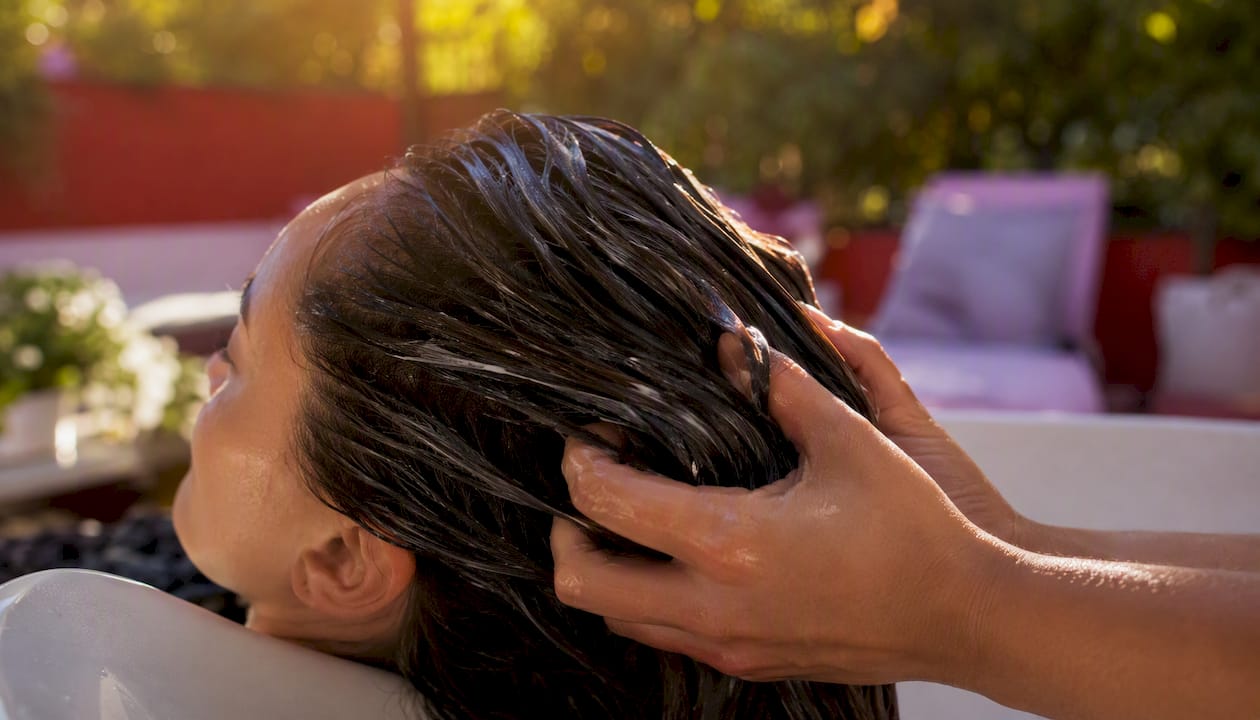
Hydrated hair stretches before it snaps. Brittle, dehydrated strands break at the first sign of tension, whether from detangling, heat styling, or simply sleeping on a cotton pillowcase. Consistent steaming sessions build up the shaft’s moisture content over time, and that translates directly into fewer broken hairs during your regular routine.
4. Curl definition and manageability
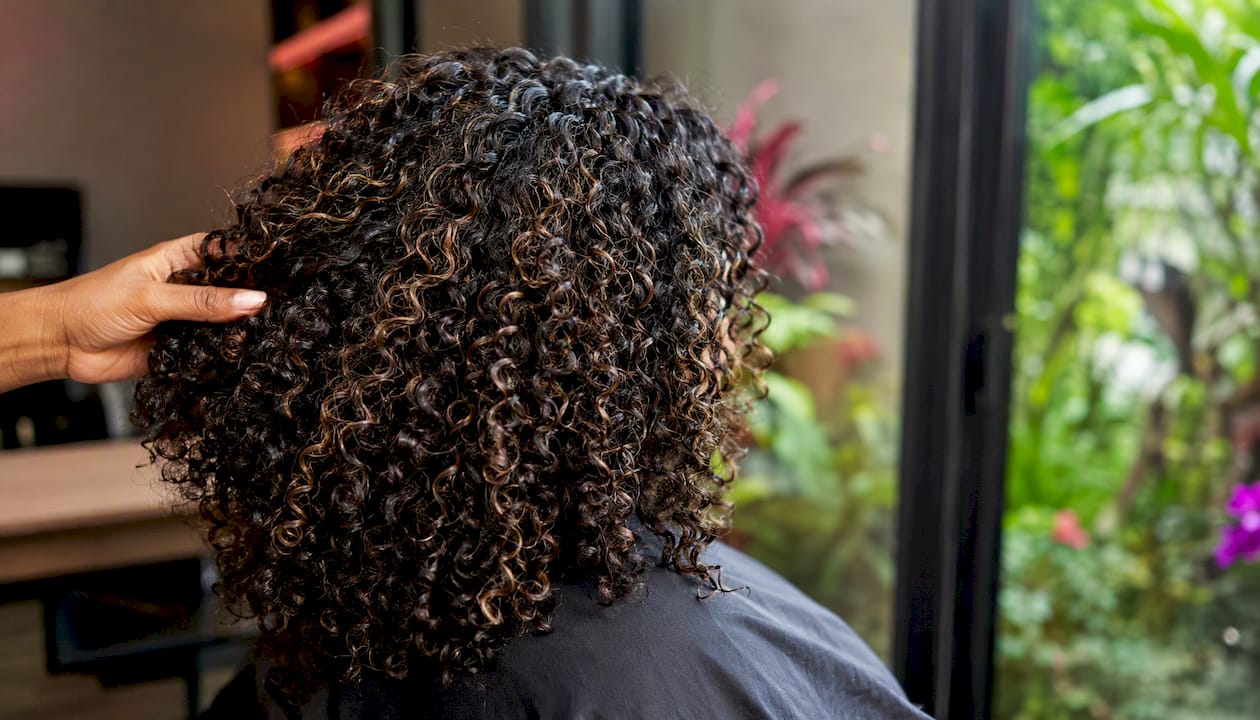
Curly and coily hair types depend on moisture for their shape. A well-hydrated curl clumps cleanly and holds its pattern; a dry one frizzes and separates. Steam treatments, particularly when paired with a curl-specific deep conditioner, can sharpen definition noticeably. Steaming is particularly effective for low-porosity hair because it helps lift cuticles so products can actually penetrate rather than bead up on the surface.
5. Scalp cleansing and a balanced scalp environment
Steam can remove oil, product, and dead-skin buildup more effectively than shampooing alone, improving scalp cleanliness and potentially supporting a healthier follicle environment. If you use a lot of styling products or live in a city where pollution accumulates on the scalp, a monthly steam session can make a real difference in how clean your scalp actually feels between washes.
6. Potential volume lift and temporary shine improvement
When strands are properly hydrated, they lie more uniformly, which reflects light more evenly. The effect is not dramatic, but hair that has been steamed regularly tends to look less dull. Volume is a secondary benefit: a scalp that is not weighed down by buildup allows hair to sit higher at the root.
7. Steaming as a complement to chemical and colour treatments
Chemically treated hair — relaxed, permed, or colour-processed — has a compromised cuticle that struggles to hold moisture. Steam treatments help these hair types recover between chemical services. Styling professionals emphasise that steaming works best as a supplement to a full hair-care routine, tailored to individual hair needs to avoid overuse. For colour-treated hair specifically, keep sessions under 20 minutes and use cooler steam settings to reduce the risk of colour fade.
Pro Tip: Match your treatment to your hair’s current need before steaming. If your hair feels mushy or limp after washing, it likely has too much moisture — use a protein treatment under steam. If it feels brittle and snaps easily, go with a moisture-rich mask. Steaming amplifies whatever you apply, so getting the product choice right matters more than the device you use.
Which hair types benefit most from steaming
Steaming is not a universal fix, and knowing where it helps most saves you time and prevents damage.
Best-fit profiles:
- Curly and coily hair (3A–4C): High surface area and tight curl patterns make moisture retention difficult. Steam is one of the most reliable ways to get hydration past the cuticle.
- Low-porosity hair: The cuticle sits tightly closed, which is why products often sit on top rather than absorbing. Steam physically opens that pathway.
- Dry or heat-damaged hair: Repeated heat styling strips moisture. Steam sessions help replenish what blow-drying and flat-ironing remove.
- Chemically treated hair: Relaxers, perms, and bleach all weaken the cuticle structure. Regular steaming helps maintain softness between services.
- Hair with product buildup: Steam loosens residue before shampooing, making clarifying more effective.
Where caution is needed:
Fine or thin hair can go limp with too much moisture, so shorter sessions (10–15 minutes) and less frequent use (every 3–4 weeks) are smarter. Oily scalps should focus steam on the lengths and ends rather than the roots. Freshly colour-treated hair needs at least a week before any steam treatment to avoid accelerating fade.
How to steam your hair at home, step by step
At-home methods including steam caps and heated towels under a shower cap can deliver similar hydration effects as salon steam when used correctly for 10–30 minutes. Here is a routine that works regardless of which device you use.
- Clarify or lightly cleanse. Start with clean hair. If you have significant product buildup, use a professional clarifying shampoo first. Steam on dirty hair just traps residue deeper.
- Apply your treatment. Section damp hair and apply a deep conditioner or mask generously from mid-length to ends. For scalp concerns, work a small amount into the roots too.
- Steam for 10–30 minutes. Put on your steam cap, bonnet, or sit under a hood steamer. Keep the session within that window — longer does not mean better.
- Rinse with cool water. Cool water helps close the cuticle back down, sealing in the moisture and treatment you just applied. Follow with a leave-in conditioner if your hair is very dry or coily.
- Style as usual. Avoid heavy heat immediately after steaming. Let hair air-dry partially before using any tools.
Device types: quick pros and cons
- Hood or stand steamer: Best coverage, closest to a salon result, suits curly hair care routines well. Larger footprint and higher price point.
- Steam cap or bonnet: Portable, affordable, and easy to use at home. Consumer Reports testing found all formats increased product penetration, though stand-up units typically delivered more even coverage.
- Handheld or portable steamer: Good for targeted scalp work or quick touch-ups. Less effective for full-length treatments.
- DIY heated towel: Zero cost, but steam dissipates quickly. Works as an occasional option, not a consistent routine.
Buying checklist for Canada: Look for dual-voltage compatibility (110V/220V), an auto shut-off feature, a tank capacity of at least 150 mL for a full session, replaceable parts, and a design that is easy to sanitise between uses. Check that the supplier offers Canadian warranty support and ships to your province.
Pro Tip: Use distilled or filtered water in your steamer. Tap water in many Canadian cities contains minerals that build up inside the tank, shortening the device’s life and potentially depositing residue on your hair. Maintaining your steamer properly extends its lifespan significantly — the same principle applies to all professional hair tools.
Hair steamer vs. hooded dryer
A hooded dryer uses dry heat to set a style or accelerate drying. A steamer uses moist heat to hydrate and improve treatment absorption. They serve different purposes: use a hooded dryer to set rollers or dry a blowout, and use a steamer for deep-conditioning work. For moisture-focused treatments, a steamer consistently outperforms a hooded dryer.
How often to steam and what risks to watch for
Frequency by hair type:
- Very coarse, coily, or severely dry hair: Weekly sessions of 20–30 minutes
- Medium-texture, curly, or moderately dry hair: Every 1–2 weeks, 15–20 minutes
- Fine, thin, or colour-treated hair: Every 2–4 weeks, 10–15 minutes
Practical routines recommend steaming sessions between 10 and 30 minutes, with frequency based on hair type; too much steaming can lead to excess moisture retention and weakened strands.
Signs you are over-steaming:
- Hair feels mushy or stretches excessively when wet
- Strands feel limp and lack body after drying
- Colour fading faster than expected
- Scalp feels irritated or overly sensitive after sessions
If you notice any of these, reduce session time by five minutes and drop frequency by one session per month. Alternating moisture treatments with a protein treatment every third or fourth session helps maintain the protein-moisture balance that keeps hair strong.
Caution: People with scalp conditions such as psoriasis, seborrheic dermatitis, or open wounds should consult a dermatologist before starting steam treatments. Heat can aggravate inflammation in sensitive scalps.
What results to expect and when
Immediate (after one session): Softer texture, improved slip during detangling, and a slight improvement in shine. These effects are real but temporary without consistent follow-through.
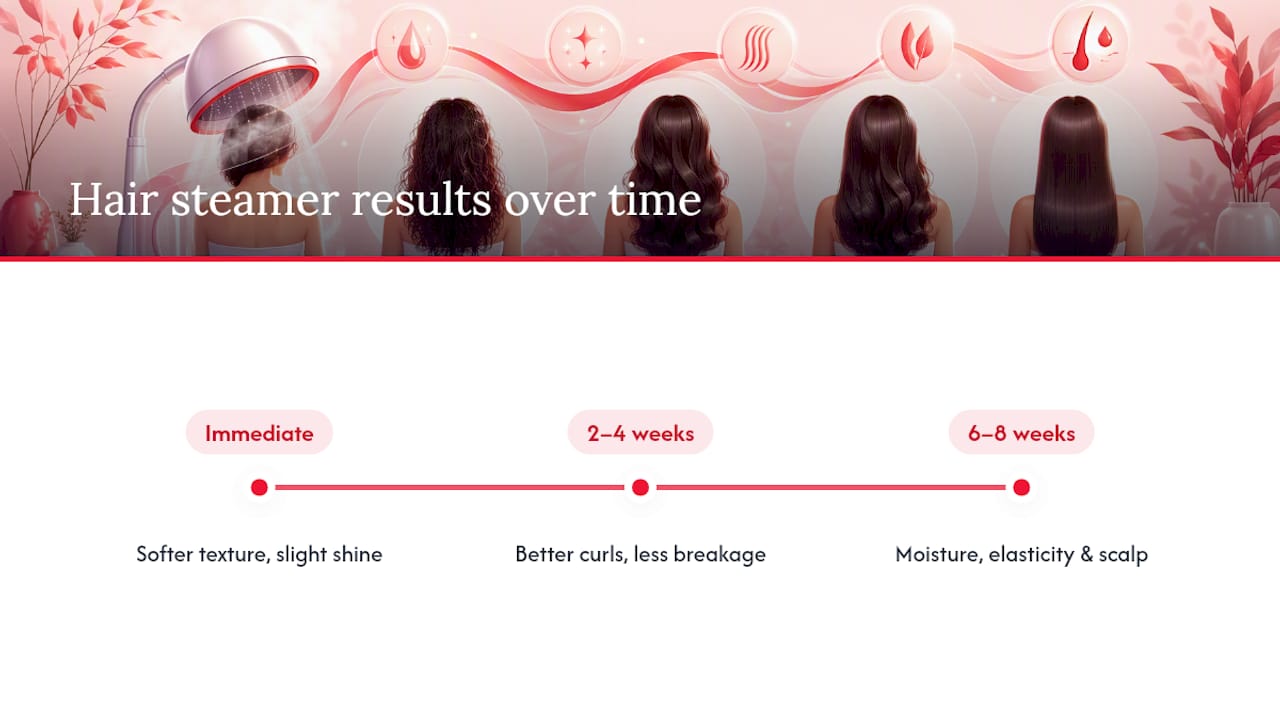
2–4 weeks (2–4 sessions): Noticeable reduction in mid-length dryness, better curl definition, and less breakage during styling. This is where most people become convinced it is worth continuing.
6–8 weeks and beyond: Cumulative moisture retention, measurably improved elasticity, and a healthier scalp environment if scalp steaming is included. Structural repair from chemical damage takes longer and depends heavily on the products used alongside steaming.
Porosity level, existing damage, and product quality all affect how quickly results appear and how long they last.
The part most people get wrong about steaming
Most articles frame hair steaming as a treatment you add to your routine. The more accurate way to think about it: steaming is a delivery mechanism. The steam itself does not repair your hair. What it does is make everything else you apply work considerably harder.
That distinction matters practically. Someone who steams with a mediocre conditioner will see modest results. Someone who pairs a well-formulated deep treatment with a 20-minute steam session will see results that feel disproportionate to the effort. The device is almost secondary to the product underneath it.
There is also a persistent myth that steaming accelerates hair growth. Experts including trichologists report visible benefits after single treatments, but there is limited evidence that steaming alone speeds hair growth. Steaming improves the environment for healthy hair — it does not change the biology of the follicle. Expecting growth results from a hydration tool sets people up for disappointment and overuse.
The practical takeaway: steam consistently, choose your treatment product carefully, and keep sessions within the recommended time window. That combination delivers real, repeatable results without the risk of over-processing.
Professional steamers and conditioning products, shipped across Canada
Salonbrandz stocks professional-grade hair steamers, steam caps, and salon-quality deep conditioning treatments from brands used in Canadian salons, available for delivery across Canada or in-store pickup in Scarborough near Toronto.
If you are building out a home steaming routine or adding steam services to your salon menu, Salonbrandz carries the equipment and the conditioning products to do it properly, including hood steamers, bonnet caps, and the treatments that perform best under steam. No hunting across multiple suppliers for compatible products.
Visit Salonbrandz to browse the full range of professional salon supplies, check current stock, and place an order with shipping to your province or arrange pickup at the Scarborough location.
Sources
- Scalp steaming: Risks, benefits, how to do it, according to pros
- Best hair steamers: Consumer Reports testing of caps, bonnets, and stand-up steamers
- What is hair steaming? And does it work?
- Your guide to hair steamers: this is how they work
FAQ
Are hair steamers good for your hair?
Yes, for most hair types. Steamers improve moisture retention, product absorption, and elasticity by gently opening the cuticle during treatment. People with curly, coily, low-porosity, or dry hair tend to see the clearest benefits.
What are the disadvantages of hair steaming?
Over-steaming can leave hair limp, mushy, and prone to breakage from excess moisture. Colour-treated hair may fade faster with frequent or long sessions, and sensitive scalps can become irritated.
Is it okay to steam your hair every day?
No. Daily steaming over-saturates the hair shaft and weakens the cuticle over time. Even coarse or very dry hair should not be steamed more than once a week, and most hair types do best with sessions every one to four weeks.
How often should I use my hair steamer?
Frequency depends on your hair type: coarse, coily, or severely dry hair can handle weekly sessions of 20–30 minutes, while fine or colour-treated hair does better every two to four weeks for 10–15 minutes.


